About Susan
I have a story that took most of my life to understand.
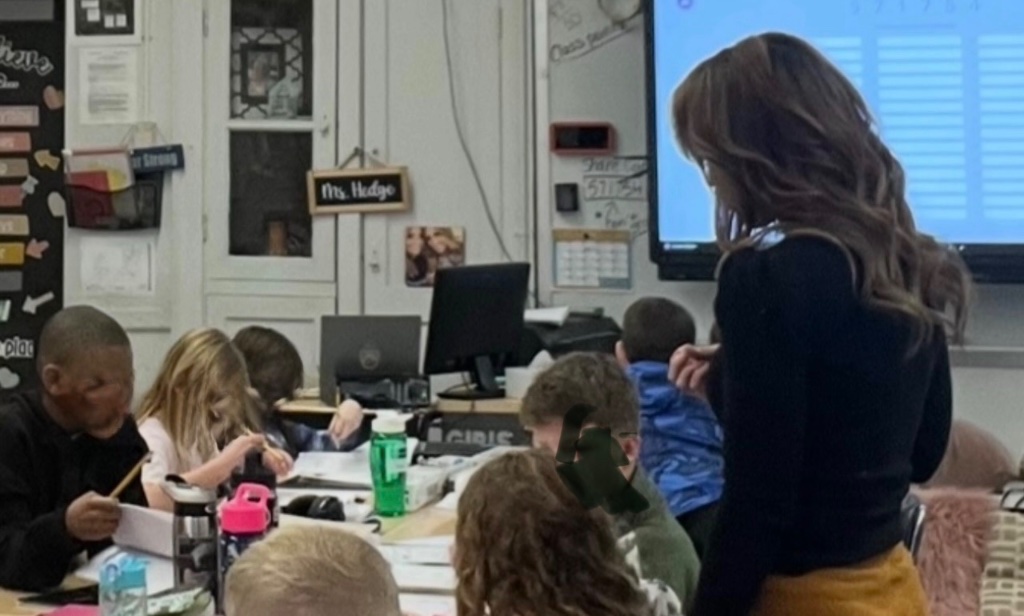
I spent twenty years as an educator, but the truest part of my education was my own. I was a bright girl who struggled in ways no one could identify. I grew up beside a brother whose differences were often misunderstood, and I watched how easily a child could be seen one way while something very different was happening underneath. I had friends and did well in school, but there were parts of myself I could not explain. I learned how to fit in and hide a lot of what I was feeling.
I was diagnosed with ADHD at 38.
That diagnosis gave me a place to start. I began looking back at my own experiences and paying closer attention to what I was seeing in my classroom. I wanted to understand what had been missed in me and what I was now seeing in some of my students.
For the next ten years, I paid attention from inside the system. I listened differently in meetings. I listened to families. I watched what helped children feel safe enough to learn and what happened when they did not. I read the research and continued studying child development, ADHD, emotional regulation, and the brain. I was also writing down memories from my own childhood and beginning to understand how much I had learned to mask.
The more I learned, the more questions I had. I began to see how much educators and families were being asked to navigate without always having the information or training they needed. I also began to understand that this was about more than ADHD. Children are learning how to understand themselves while they are surrounded by adults who are still learning many of those same skills.
Leaving the classroom gave me the space to look back at all of it differently. My experiences as a student, teacher, and mother began to connect in ways I could not fully see while I was living them.
I left teaching because I wanted to bring what I had learned to families, educators, and the professionals who support them. I know what it feels like to sit on more than one side of these conversations. That has shaped the way I listen, the questions I ask, and the way I help people understand one another without judgment.
I believe we are living through a moment that history will remember, a turning point in how we understand the mind, the child, and one another. I want to be a voice in it.